Jiarui Zhang
Recur
Recur is a card-building game of the Rogue type. Its gameplay is inspired by Tetris and combines it with turn-based card combat, creating a unique card-building experience. In the game, players need to collect Crystal Memories Skills composed of four blocks. During battles, they will perform corresponding actions based on the landing or elimination effects of the skill blocks.
Inspirations
Alternative Rougelike Game
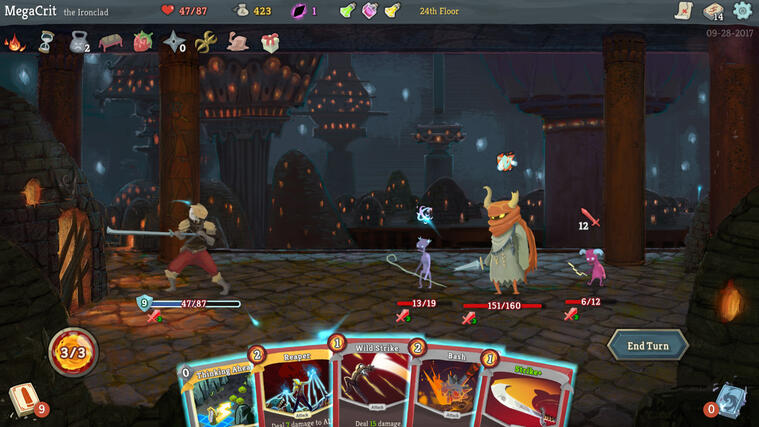
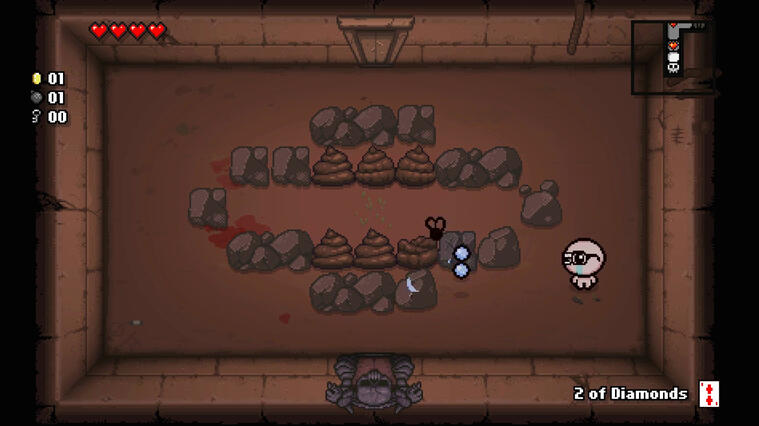
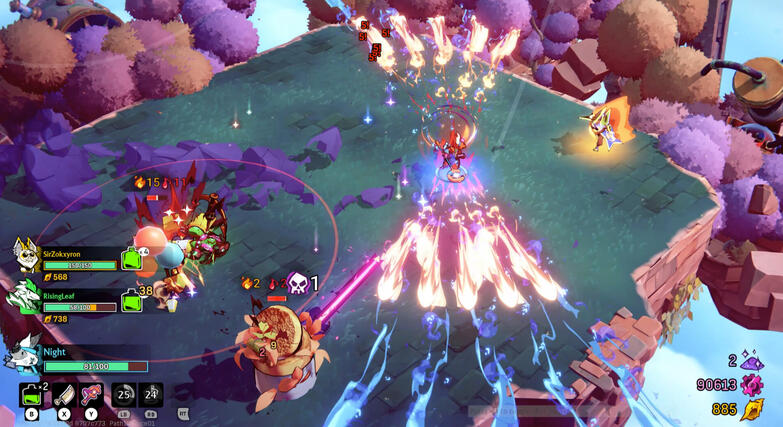
Recur draws inspiration from roguelike classics such as Slay the Spire and other turn-based strategy games. We were fascinated by the way these games use randomness, player choice, and long-term planning to create tension and replayability. Our goal was to reimagine these core ideas by integrating them with a Tetris-style elimination mechanic, crafting a hybrid system that challenges both spatial reasoning and strategic thinking.
Ideation & Prototype
Ideas and early prototypes
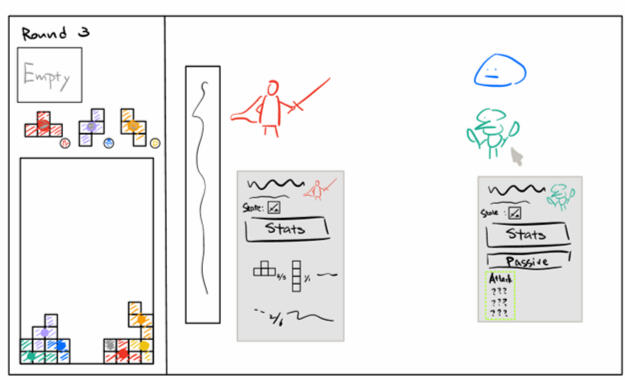
The project starts with this very basic idea: What if characters in a turn-based role-playing game use Tetris to fight? The first iteration of the gameplay idea was intended to be a Japanese-styled role-playing game in which the player controls a team of four different characters in a linear story. The initial design includes a battle system much like Slay the Spire in which cards are replaced by Tetrimino-shaped skill blocks that activate when cleared and a 3D puzzle system that allows the player to use abilities such as grappling hooks, gravity control, and size-changing to explore the building.
The core problem
Build a Hybrid System
For now, the idea of combining Tetris and Roguelike gameplay seems novel and interesting enough. During our research and tests over the past few months, players have all shown interest in this idea. However, there are also many problems, among which: designing a harmonious combat system is the most serious problem.
During the previous test activities, I have been actively observing the interactions of players and soliciting their feedback later. An important issue is that the core gameplay is based on Tetris, but more information has been added to the game, including enemies, consumables and Tetris-related skills. For most players, it has become very difficult for them to figure out where to place Tetris because a lot of information is ignored in the real-time gameplay, making the game overly challenging. Meanwhile, the rhythm of the game has also become very chaotic, dampening players' interest in replaying it.
To solve this problem, changes to the design are needed. The solution I proposed is: to redesign the core loop of the game in order to build a perfect combat system.
Solutions
Redesign of the Gameflow
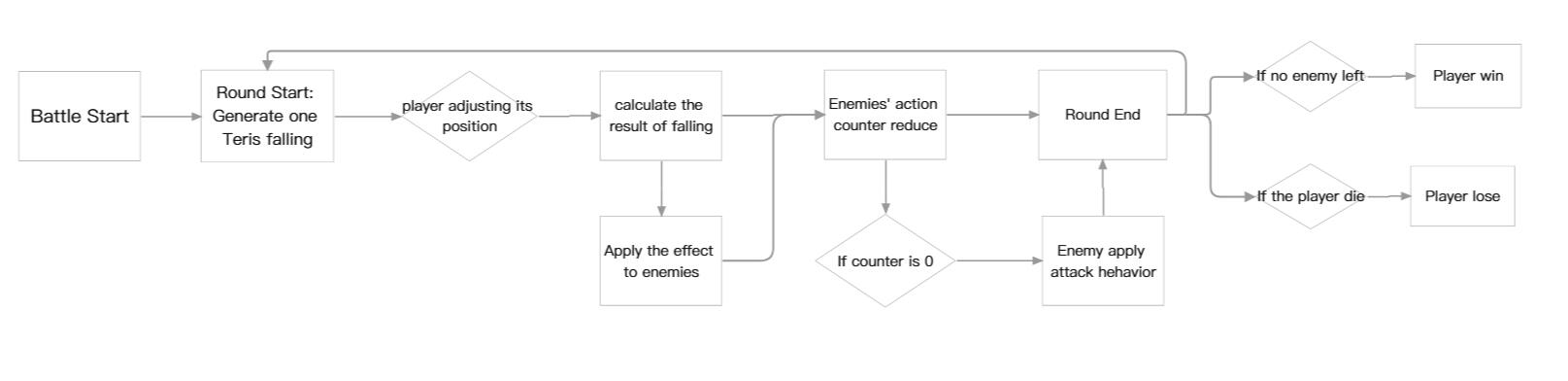
I have made significant modifications to the game flow of the combat system in the game. First of all, the way of conducting the battle is "real-time turn-based". As soon as the battle begins, a falling Tetris piece will be automatically generated on the Tetris board for the player to control. The battle is considered to be over once it lands on the board. After the round is over, a settlement will be conducted, applying the skill effects or elimination effects of the Tetris piece itself. At the same time, the "action counter" of the enemy will decrease by one level. If the "action counter" is reduced to 0 at this point, a settlement will be conducted once the enemy's attack behavior against the player is carried out.
Design Purpose
The purpose of this design is to maintain the game rhythm of Tetris while integrating the player's attack behavior, the enemy's attack behavior, and the performance of the Tetris skill system into an orderly and harmonious rhythm. At the same time, if the player is confident in their operation, they can accelerate the battle rhythm by operating Tetris. Leaving the skill combination and selection outside the battle reduces the decision-making pressure on the player. Thus, a more harmonious combat system is born.
Develop Process
Coding in Game Engine
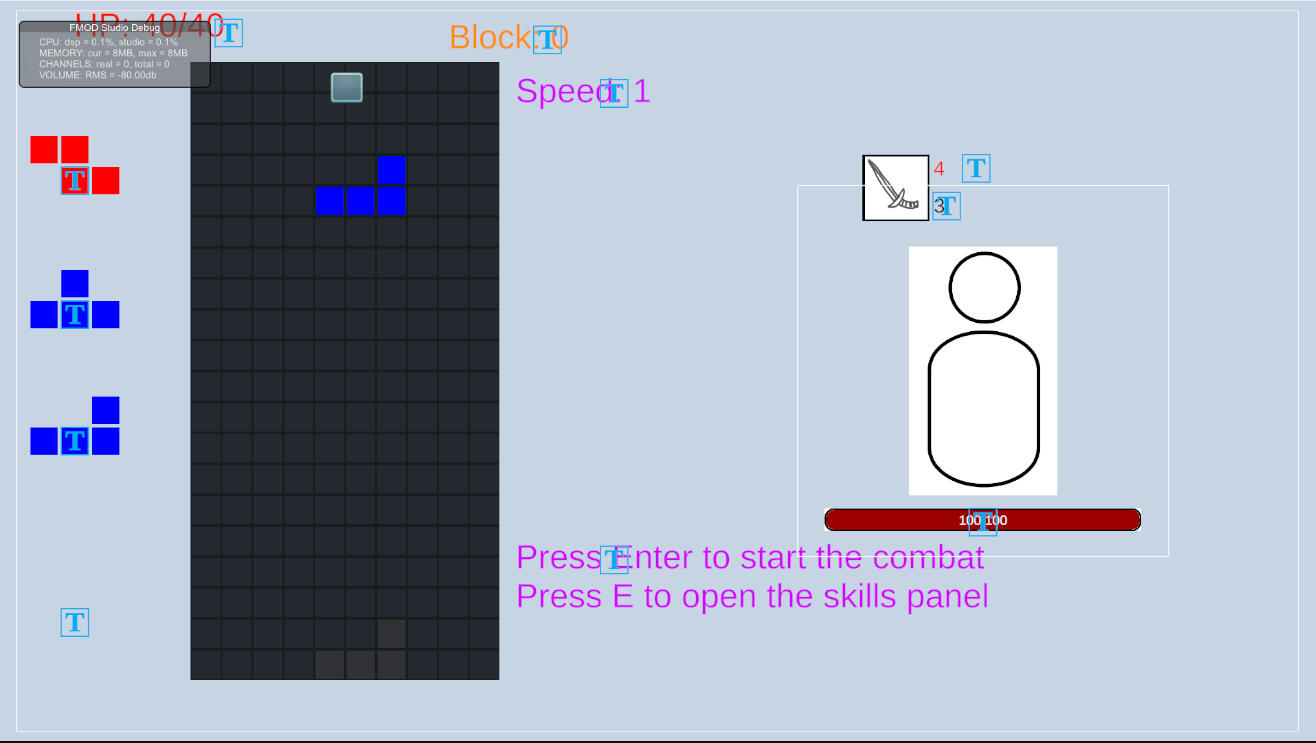


In this project, we’re building a roguelike turn-based combat game driven by Tetromino mechanics. The development began with the creation of a Tetromino bank system that generates blocks based on the player’s deck, mapping colors and shapes to specific prefab configurations. We then implemented a preview panel where players can choose Tetrominos, with automatic regeneration if all options are used. Following that, we added an auto-spawning system that randomly instantiates Tetrominos at a fixed position and detects when each has landed before generating the next. Along the way, we resolved issues related to color display and physics by ensuring correct initialization of visuals and Rigidbody2D components. To enhance player experience, we also integrated the More Mountains Feel plugin for responsive feedback effects.
Result
Another Round of Playtest
We have retested the updated combat system. Based on the feedback from different people, we found that the previous problems have been significantly improved. The combat in the game has become more integrated and the rhythm is more continuous. With these improvements, the game's gameplay itself has been guaranteed.
New problems
However, some new problems have also emerged: the absence of game feel and unfinished art materials, which prevent the actual experience of the game from being tested. Next, we must ensure that the art aspect can better match the game.
Next Step
Art Assets and Game-feel
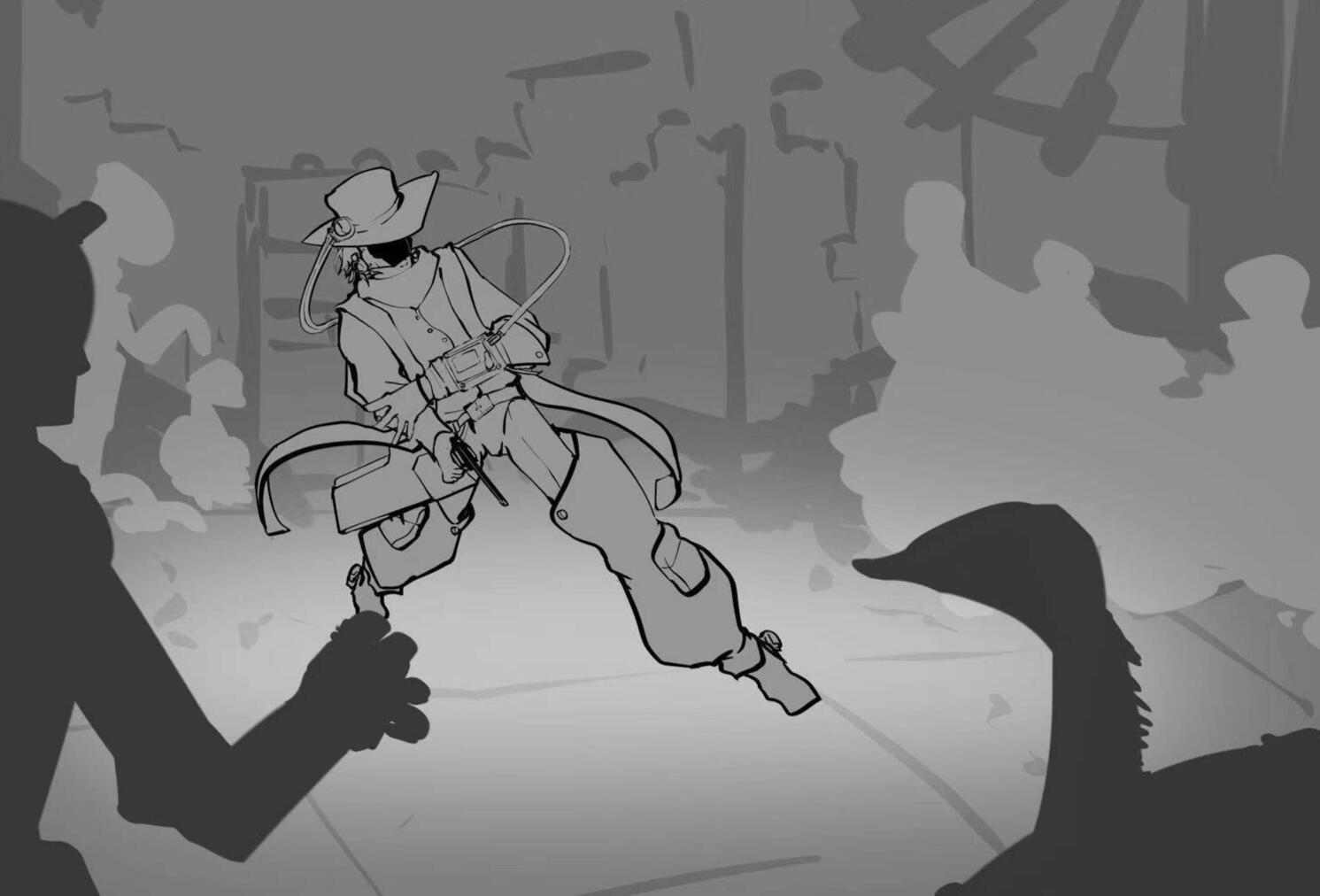
At present, the iteration and improvement of the combat system at this stage have been completed. We need to hit the production art materials, including UI and special effects, etc. After replacing the temporary art materials, we will conduct tests and iterations. During this process, it is necessary to ensure that the game's art materials are in line with the style of the combat system and provide a smooth gaming experience. Meanwhile, the UI system should be intuitive enough and conducive to users' learning and understanding.